Shower walls material guide
A shower wall is not a countertop. Material that is perfect on a kitchen island can crack on the saw or bow on a wall.
What we recommend
12mm mesh-backed porcelain
The mesh backing prevents cracking during fabrication, and porcelain stays flat and consistent over the full height of a panel. Those are the two things a shower wall needs.
Why those two things matter
A panel gets cut, drilled for the valve and showerhead, and handled on edge at close to full height. The mesh bonded to the back holds the material together through all of it.
Then it is judged over its whole height. Any deviation from flat shows in the seams and against the glass, so a material that holds flat panel after panel is worth more on a wall than it is anywhere else in the house.
Colors we stock
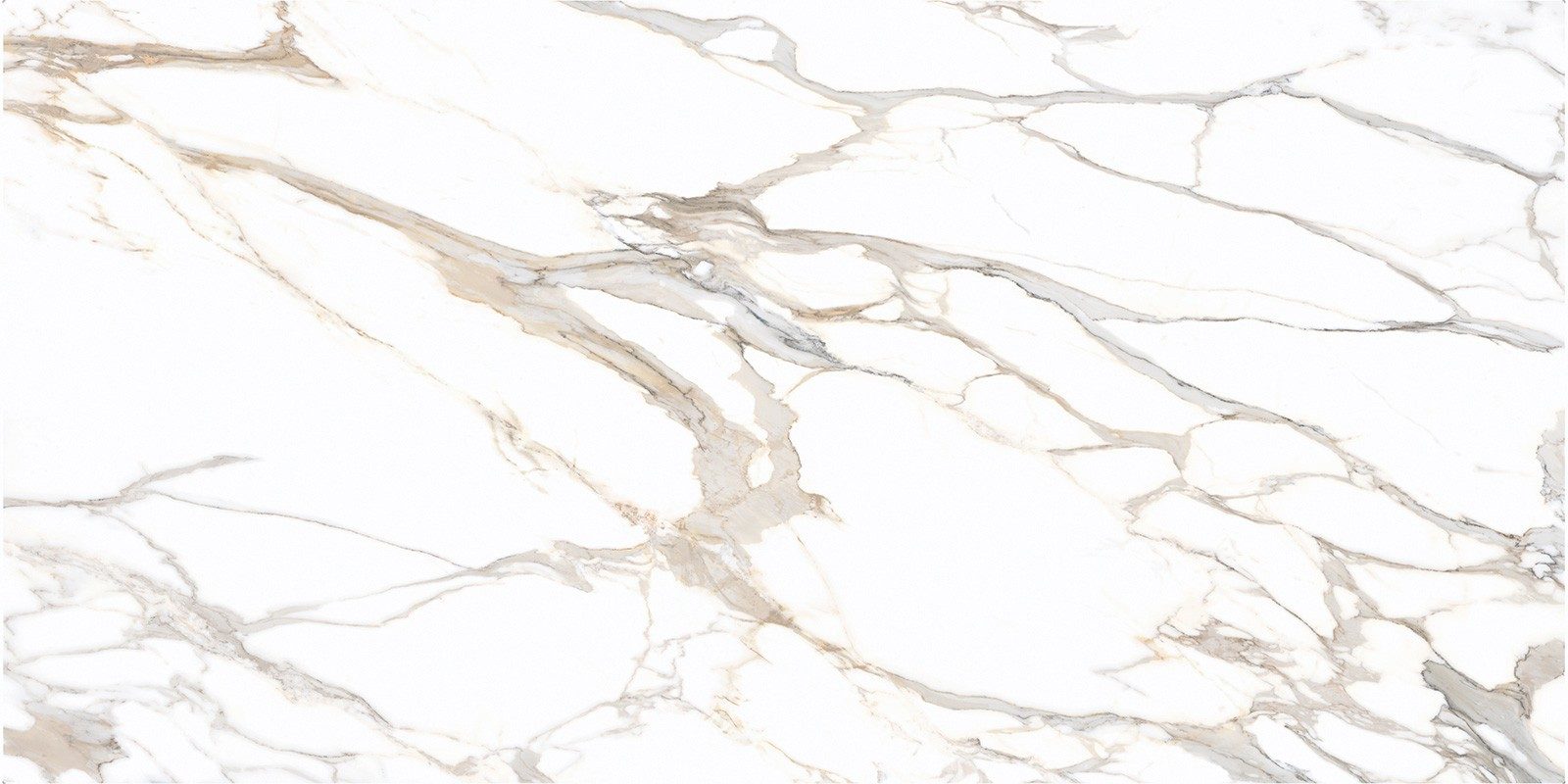
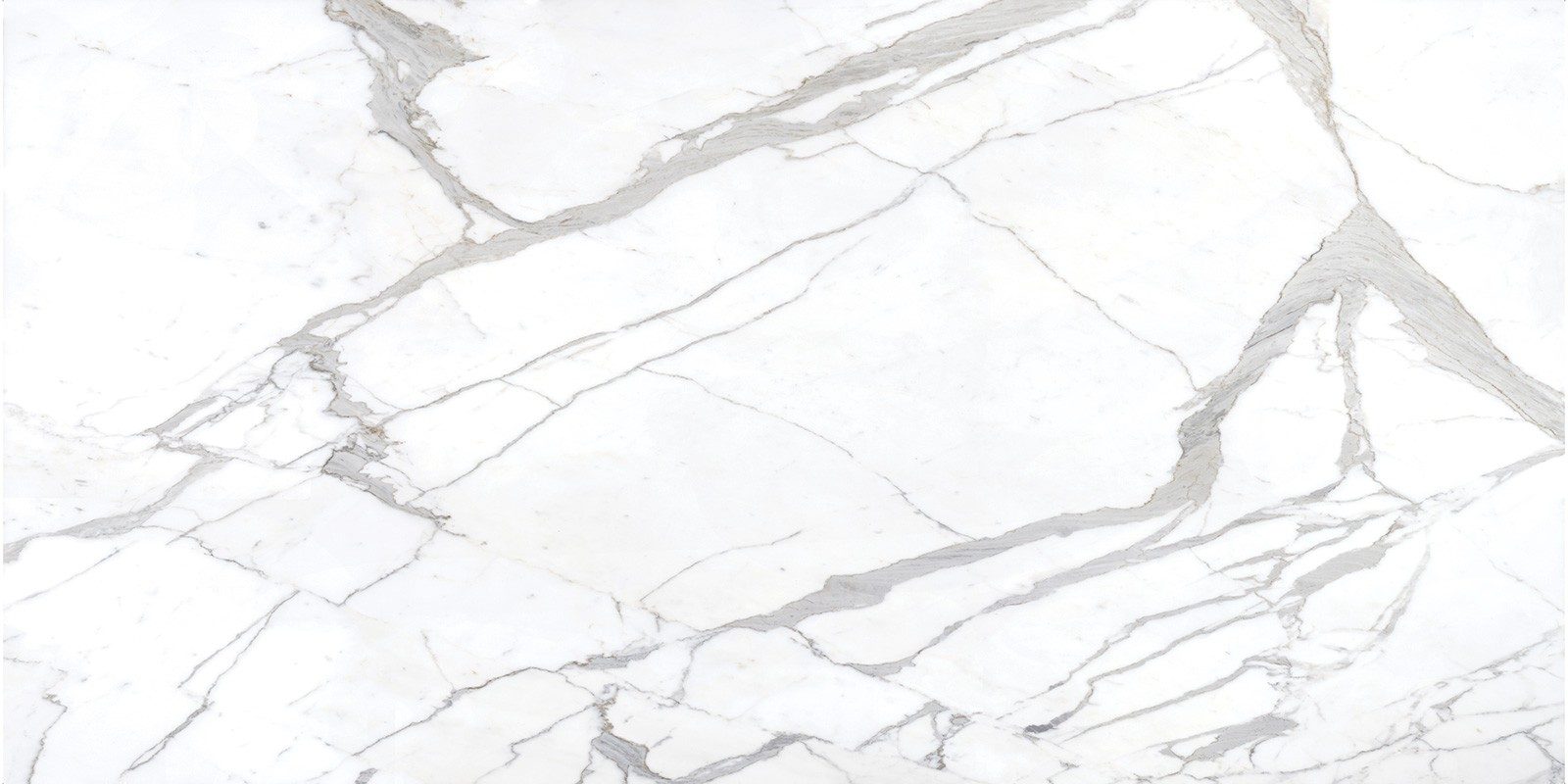
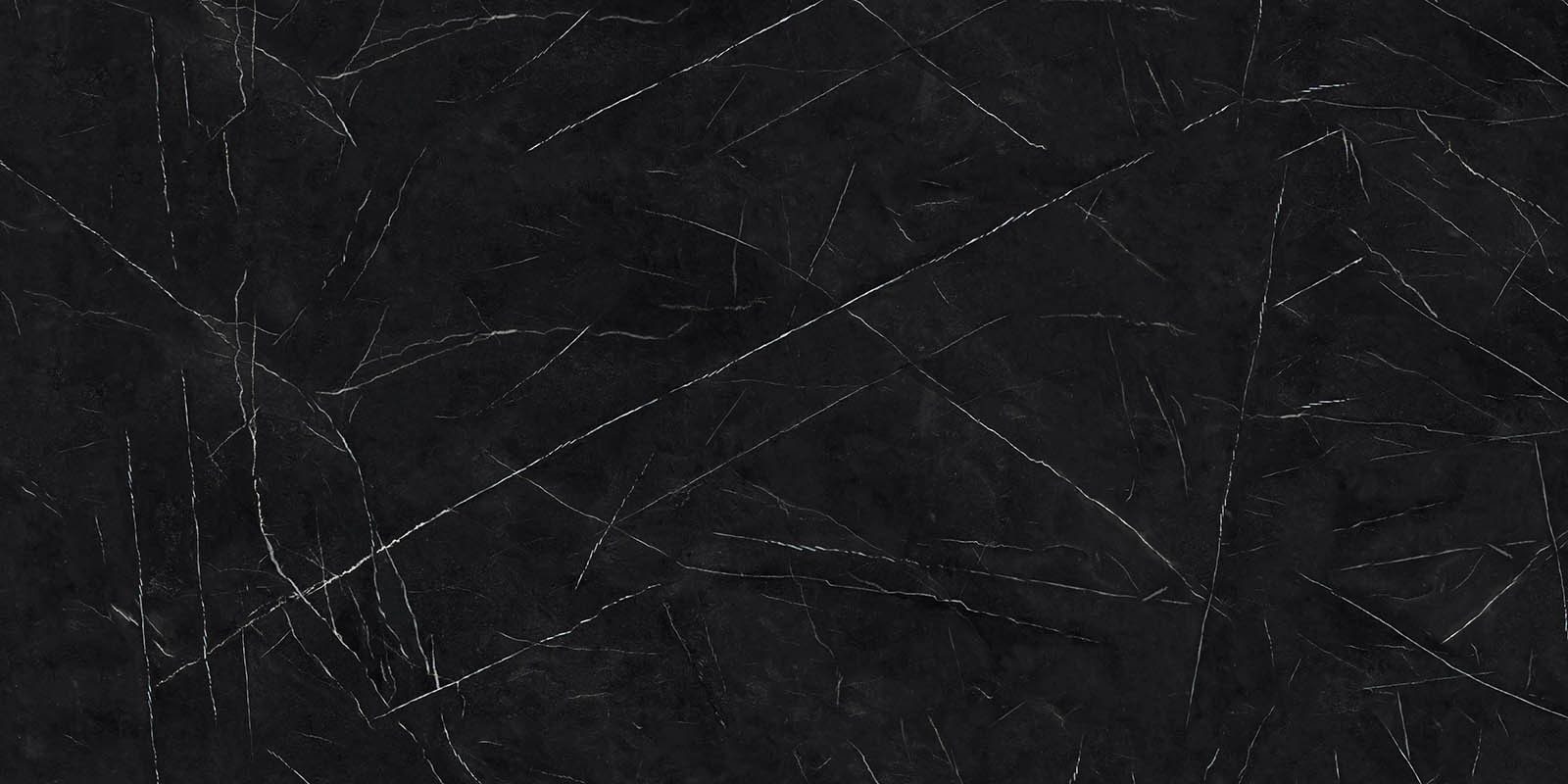
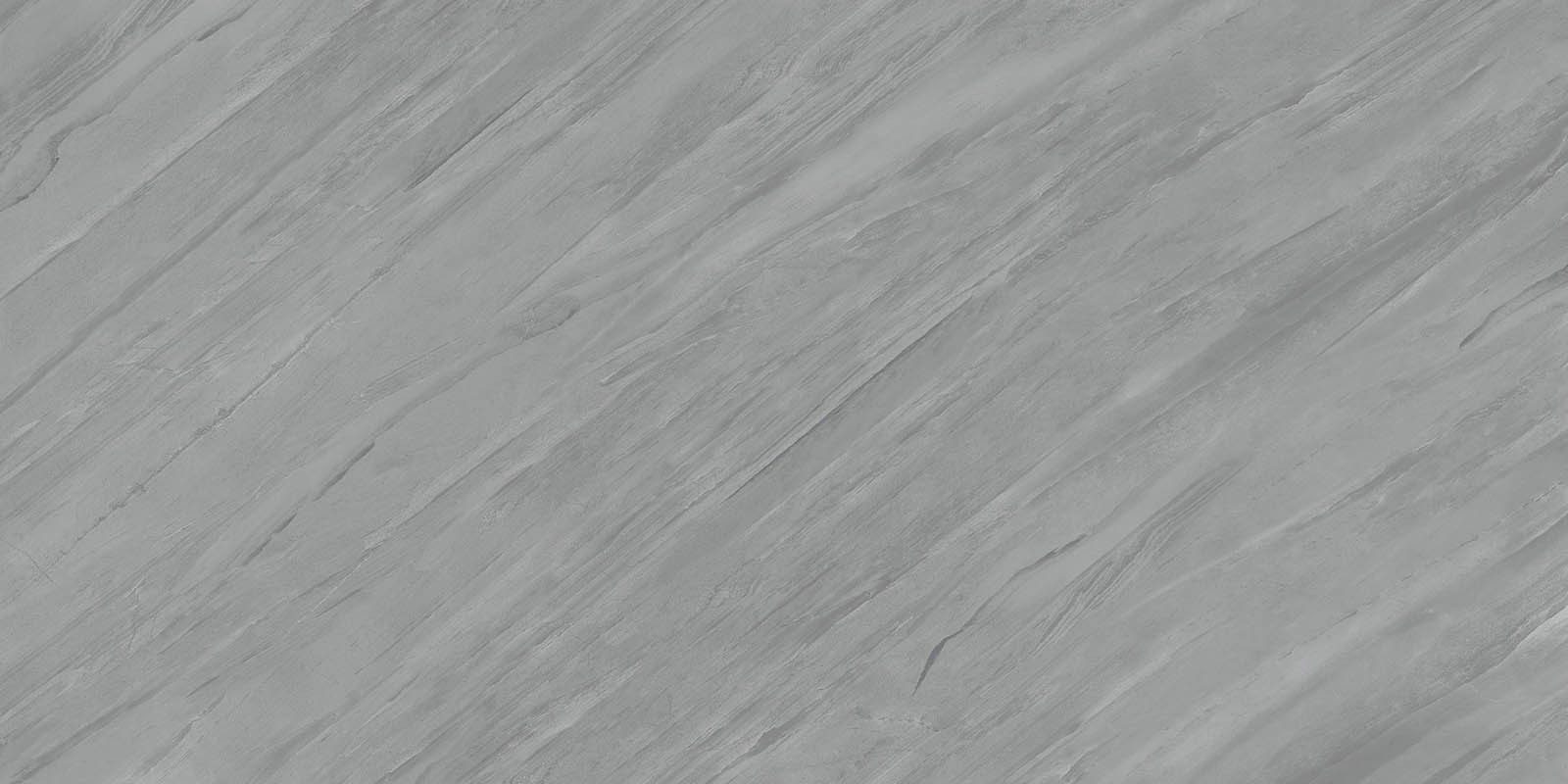
A few of the porcelain slabs we stock. Slabs are 12mm, 62 by 126 inches, large enough to run a shower wall in one piece. Tap a slab to zoom. Colors that carry the mesh backing described above are marked.
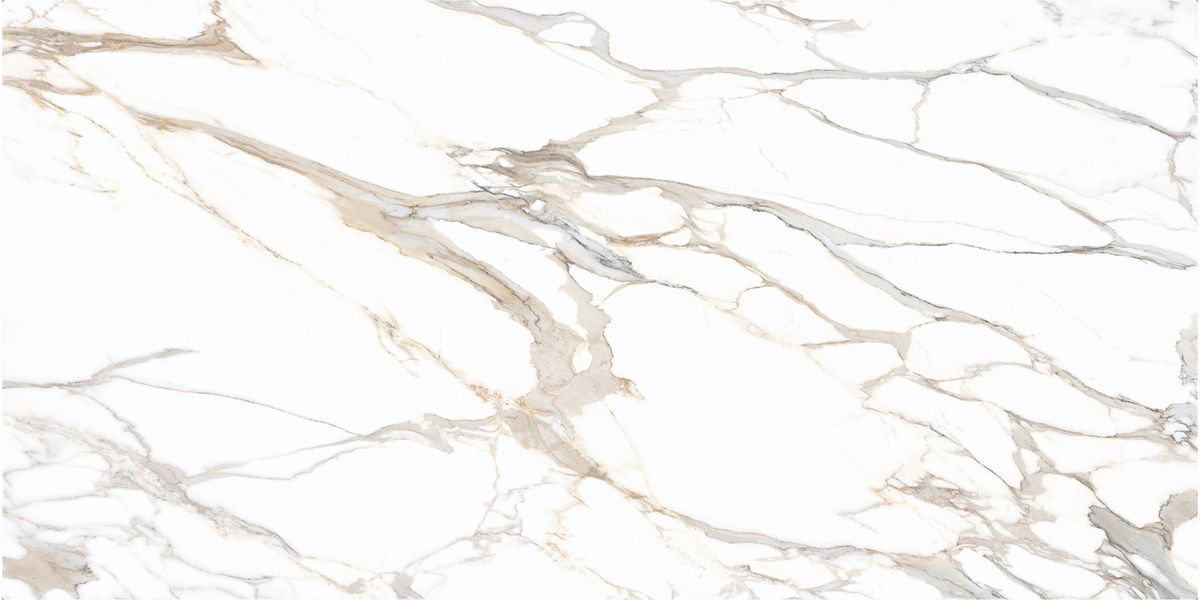
Calacatta Supreme polishedMesh-backed 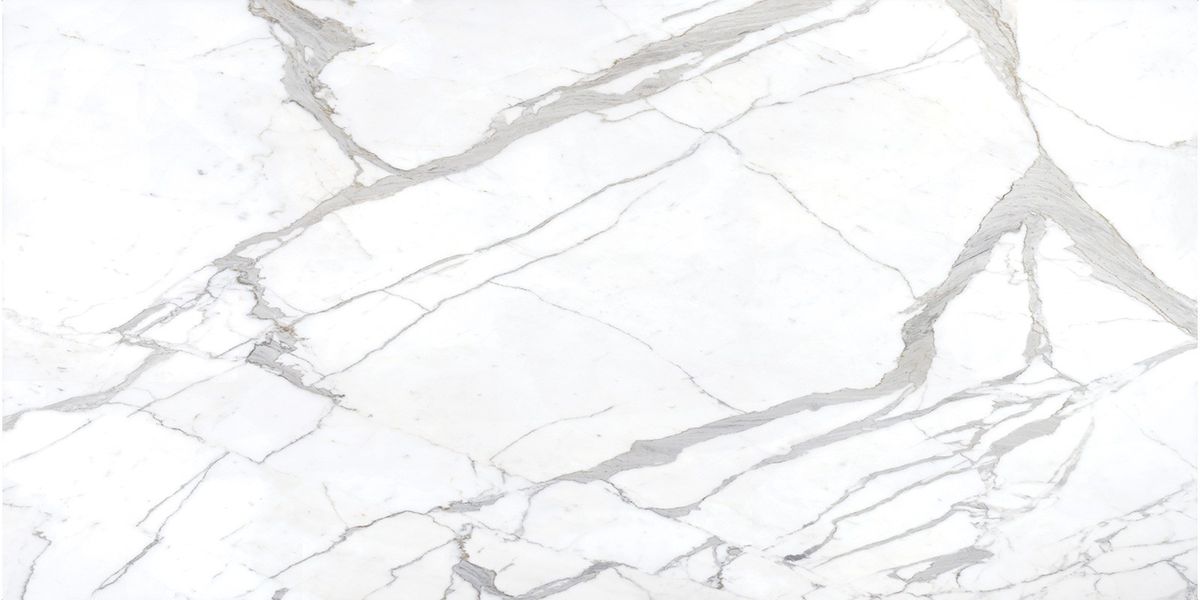
Statuario polishedMesh-backed 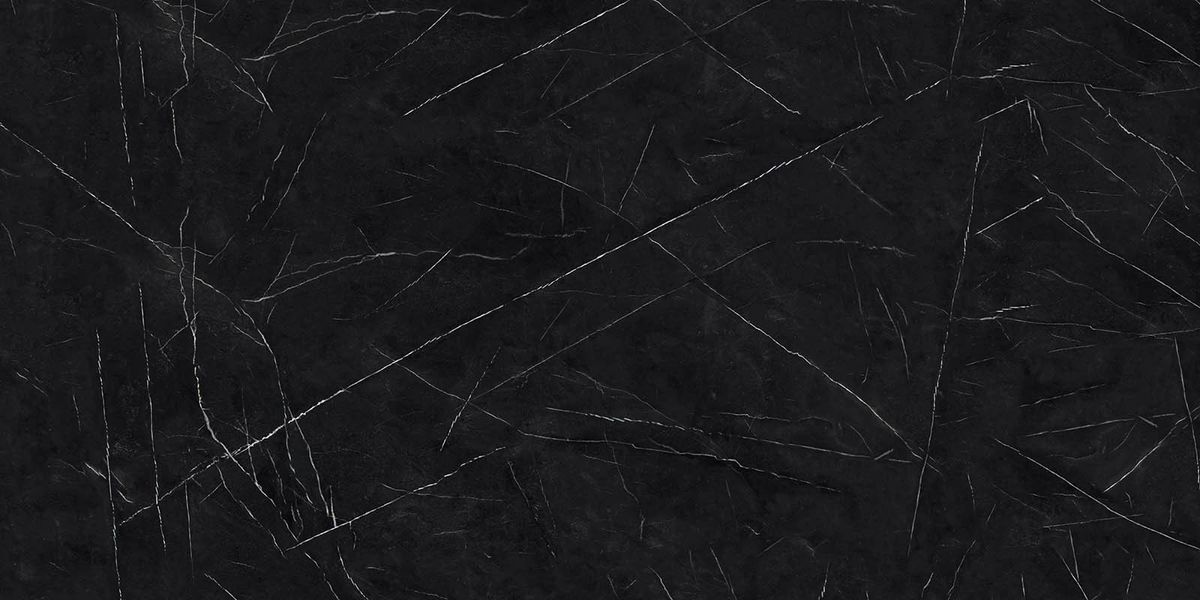
Nero Marquina natural 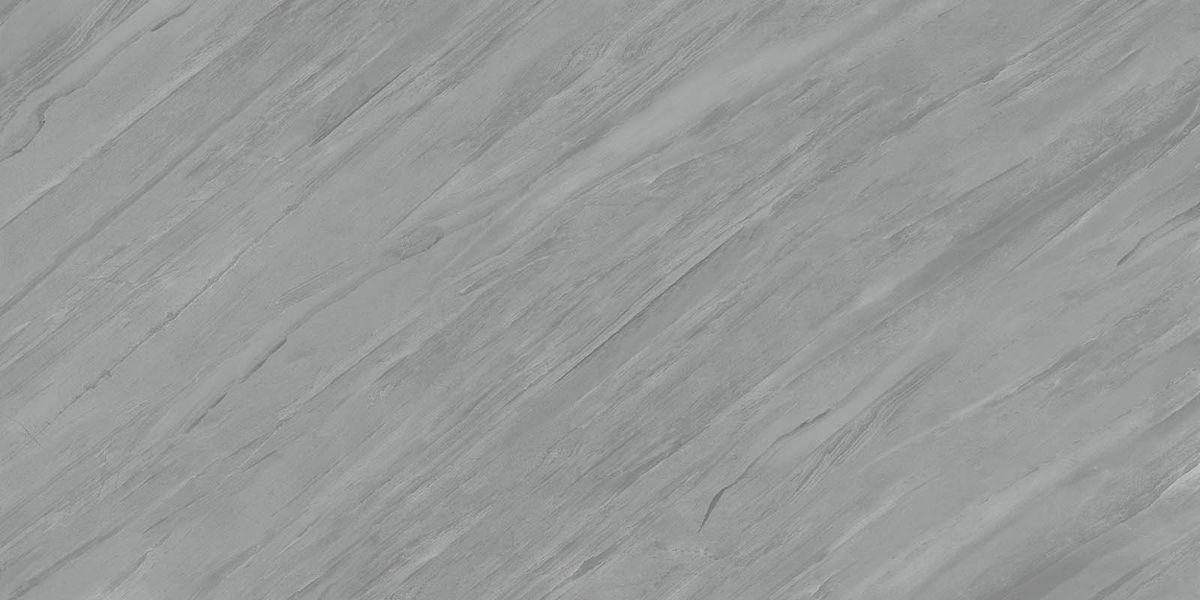
Ocean Steel natural
Slab photos courtesy of EleMar Oregon.
Everything else
Quartz, 2cm or 1cm
On requestLighter, and it can be done in high quality quartz such as Cambria. The tradeoff is that bowing is unpredictable at that thickness: the same material can come out flat on one panel and bowed on the next, and there is no way to know in advance. We will tell you honestly what we can and cannot promise.
Granite, 2cm
On requestPossible, on two conditions: a dense stone, and a slab free of bows. Granite varies from slab to slab, so both are judged on the actual slab rather than on the name of the stone.
Marble
We do not use itToo porous for a shower. Water discolors it and leaves stains, and keeping it looking right takes constant maintenance. However good the slab looks in the showroom, it will not stay that way on your wall.
Porcelain, 6mm
We do not use itIn our experience it cracks during both fabrication and installation. The saving is not worth a cracked panel, or the delay of remaking one.
Anything at 3cm
We do not use itQuartz, granite, Taj Mahal quartzite, all of it. At 3cm the slab is very thick and heavy to install, and you see that thickness at every edge and opening. What reads as substantial on a countertop reads as bulky on a wall.
Thinking about your shower?
Tell us what you have and what you want. We will come take a look.
Get a free estimateor call or text 503-676-5136